About

Therapy that meets youbeneath the surface.

A practice built on slowing down, for the patterns, losses, and longings that quietly shape a life.

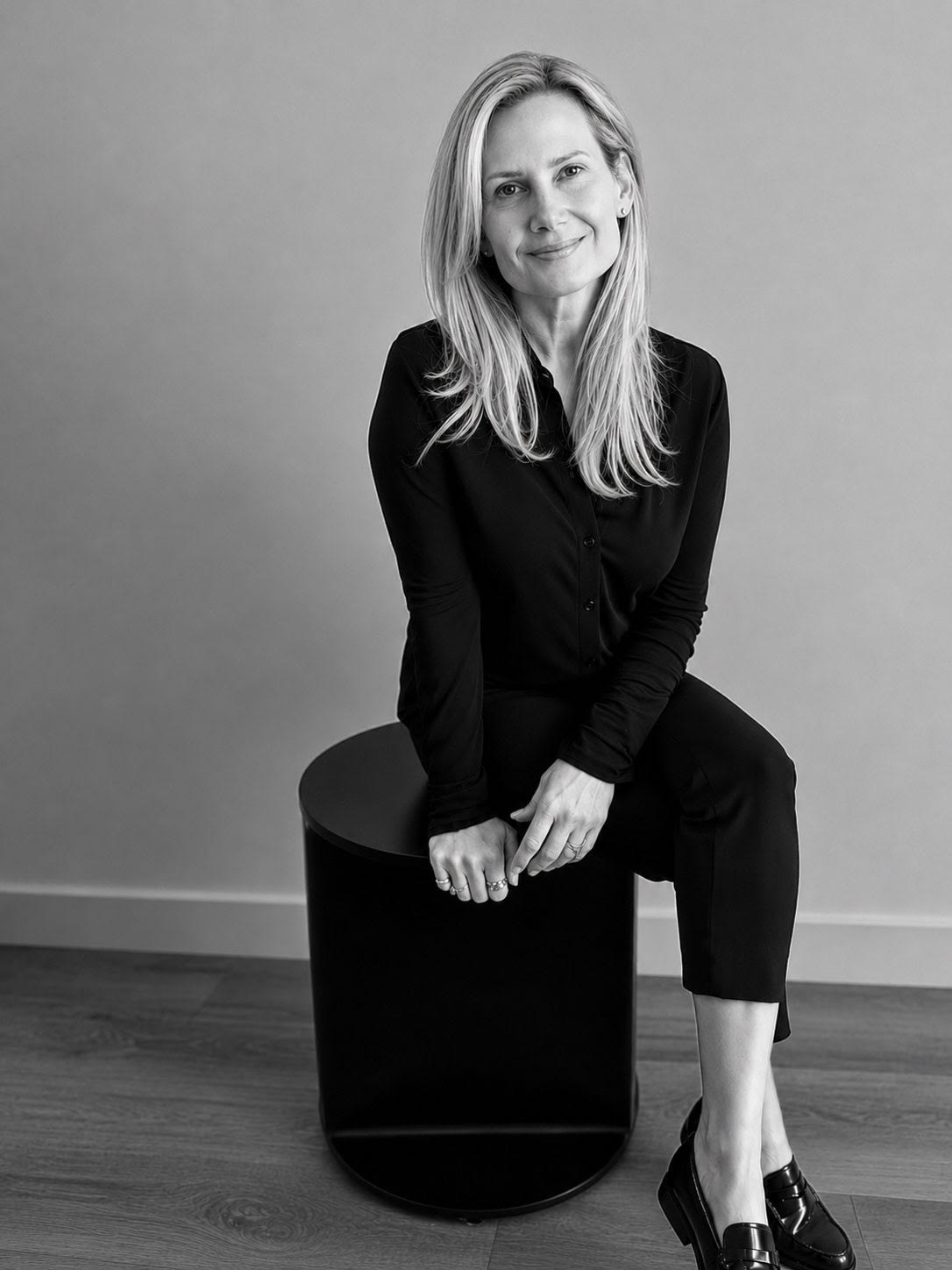
Christine Ashe, seated
How I Arrived Here

I was always trying to understand people.

For as long as I can remember, I was trying to understand people. I wondered what I had done wrong, what I was missing, and what was really happening with the people around me. Over time, that became the lived knowing I now bring to this work.

When I discovered EMDR, and later Somatic Experiencing, I found approaches that made sense of something I had witnessed over and over again: people can understand why they feel the way they do and still remain stuck.

My work isn't about fixing people. It's about helping them understand themselves in a way that allows something new to emerge.

How the work moves

At the pace your nervous
system can metabolize.

We work at the pace your body can actually take in. I'm interested in understanding what is unique about you: your story, your relationships, the ways you've learned to adapt, and what may be keeping you stuck.

My work is grounded in a psychodynamic foundation, with Attachment-Focused EMDR and Somatic Experiencing woven into the process.

My Approach

Two ways of working
with what the body holds.

Over the years, I've continued to deepen my training in the areas that matter most to my work: trauma, attachment, and the nervous system.

Attachment-Focused EMDR

People often ask how EMDR works, and while we don't understand every aspect of it, I think of it a little like REM sleep. During REM sleep, the brain naturally processes and organizes the experiences of the day. EMDR appears to tap into a similar process, helping the brain metabolize experiences that have remained unresolved.

When something traumatic happens, it can become frozen in time. Rather than feeling like something that happened in the past, it continues to be experienced in the present. EMDR helps the brain and nervous system process those experiences so they can become part of your story without continuing to overwhelm your life. It isn't about forgetting what happened. It's about helping the brain and nervous system recognize that what happened is over.

I trained in Attachment-Focused EMDR through the Parnell Institute, where I'm now a Consultant and Facilitator, and I'm an EMDRIA-Approved Consultant. Becoming an EMDRIA-Approved Consultant requires advanced training, extensive clinical experience, and ongoing consultation. This approach integrates attachment theory with EMDR to help people process trauma while strengthening internal resources and creating a greater sense of safety.

Somatic Experiencing

Somatic Experiencing is a gentle, body-oriented approach to healing trauma. It's based on the understanding that when something overwhelming happens, the nervous system's emergency response can take over. Even after the danger has passed, that emergency response can continue reacting as though the threat is still here.

That's why someone can know they're safe and still feel anxious, on edge, shut down, or overwhelmed. It's not because they're choosing those reactions or because something is wrong with them. Their nervous system is doing exactly what it learned to do in order to survive.

In a Somatic Experiencing session, we don't force you to relive the past. Instead, we slow down and pay attention to what your nervous system is communicating in the present moment. We notice sensations, impulses, breathing, tension, or moments of settling that often go unnoticed. Little by little, the nervous system begins to metabolize what it couldn't at the time.

I'm a Somatic Experiencing Practitioner, trained in the approach developed by Dr. Peter Levine.

How the two fit together

People often ask how this differs from EMDR. I don't think of them as separate approaches so much as complementary ones. EMDR helps the brain process experiences that have remained unresolved, while Somatic Experiencing helps the nervous system come out of survival mode. I often weave the two together, depending on what each person needs, because healing involves both the mind and the body.

There is a difference between remembering
the past and still living inside it.

Begin a Conversation
What the work is

Therapy is about
telling the truth.

At its heart, I believe therapy is about telling the truth. We all have blind spots, ways of seeing ourselves, our relationships, and the world that we simply can't recognize on our own. My role isn't to give advice or tell you who you are. It's to help you begin seeing what has been out of view.

Those are the moments I love. When the dots begin to connect, something suddenly makes sense, and you see yourself or your life in a way you couldn't before. That's when something begins to shift.

I believe deeply in this work because I've experienced it from both sides of the room. The approaches I use aren't just ones I've been trained in, they're ones I've turned to in my own life.
The team

Who you might
work with.

Megan McAllister, AMFT

Megan McAllister, AMFT

Associate Therapist · Supervised by Christine Ashe, LMFT, CA #105120

Megan offers Attachment-Focused EMDR and somatic work, and keeps a limited sliding scale. If she's the better fit for what you're carrying, I'll tell you that honestly.

More about Megan →
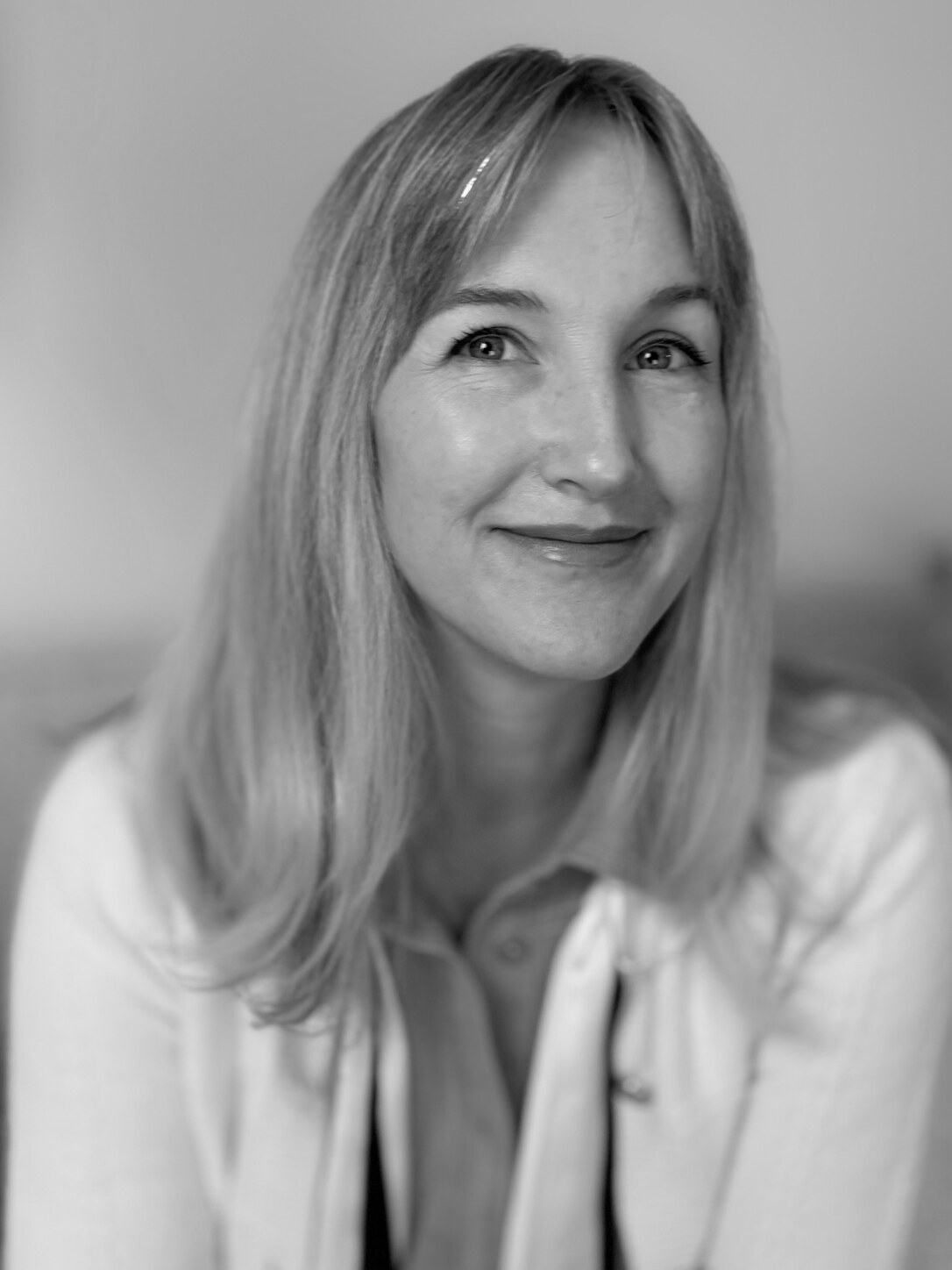
Christine Ashe, looking down
The Space

A room with enough
quiet in it.

A space to slow down. In person in Brentwood, or online across California and New York.

A First Conversation

If something here resonates.

I'm accepting new individual and couples clients. We start with a brief, free phone call. It's an opportunity to ask any questions and a way to feel whether we're a fit.

Begin a Conversation
Christine Ashe
Brentwood · Online in CA & NY
12301 Wilshire Blvd, Suite 416
Los Angeles, CA 90025© 2026 Christine Ashe Therapy · Site Credit